Method
Quality and compliance
A container rejected at destination is a total loss — the cargo is returned or destroyed, and the exporter's name is flagged for future shipments. Everything below exists to make sure that never happens on our account or yours.
Testing and certification cost roughly two percent of a container's value. Treating that as a saving is the single most expensive mistake an exporter can make, so we do not make it. Nothing is booked on the assumption that a consignment will pass.
Sequence
From farm gate to sealed container
Seven stages. Certification runs in parallel rather than in sequence — booking inspections one after another burns two to three weeks and puts the sail date at risk.
-
Farm-gate sourcing
Bought directly from aggregators in Nigeria’s producing states.
-
Intake, weighing and moisture test
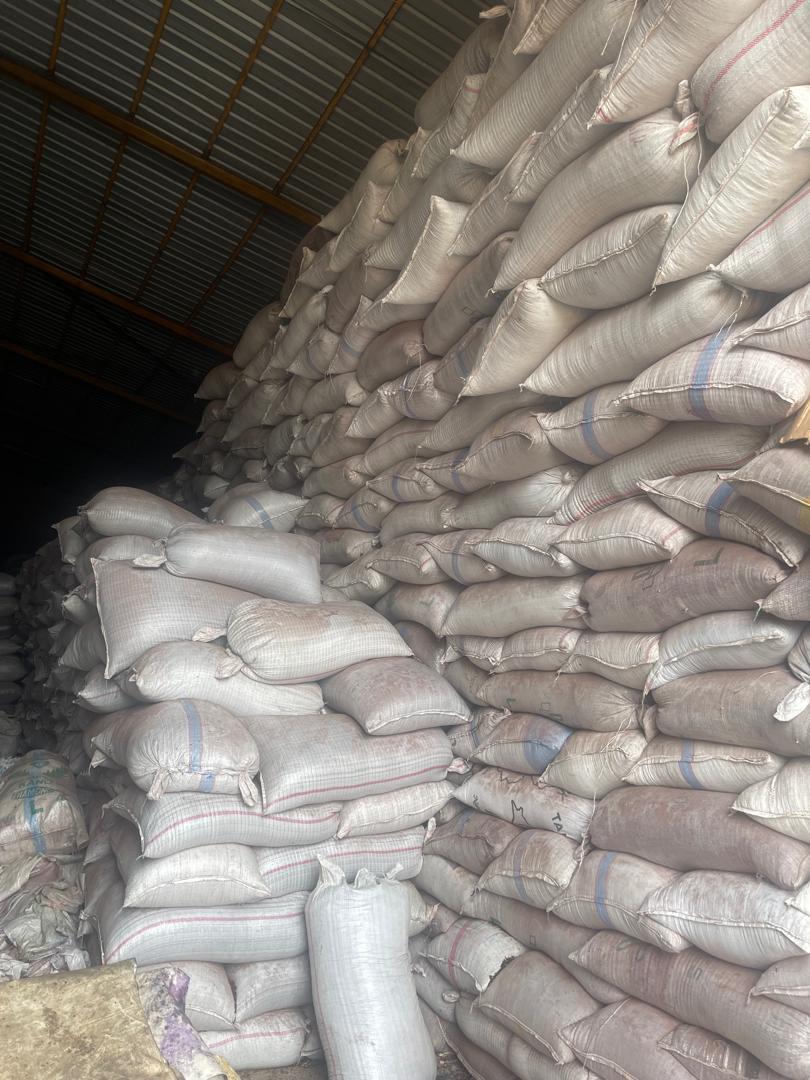
Every delivery is weighed and moisture-tested on arrival, and recorded against supplier and origin state. Batches above specification are rejected here — rejecting at intake costs a negotiation, rejecting at destination costs the container.
-
Cleaning and grading
Destoned and sorted to the contracted purity, then moisture re-tested after processing.
-
Laboratory analysis
A representative sample is drawn and sent for aflatoxin and quality analysis before the container is booked. Results are shared with the buyer.
-
Packaging and labelling
New polypropylene bags only — reused bags cause cross-contamination and trigger rejection regardless of the quality of the product inside. Each bag is labelled with product, net weight, origin state, lot number and harvest year.
-
Inspection and certification
NAQS phytosanitary certificate, fumigation certificate and clean certificate of inspection, all booked in parallel. Buyer-nominated inspection by SGS or Bureau Veritas is accepted and welcomed.
-
Stuffing and sealing
The container is stuffed and sealed, and the seal number is recorded on every document in the set so the buyer can verify the container was not opened in transit.
Testing
Tested against your market, not a generic standard
Limits differ sharply by destination. We test to the standard of the market the container is going to, and we confirm which standard applies before quoting.
| Destination | Key requirement | Notes |
|---|---|---|
| European Union | Aflatoxin 4 ppb for spices, incl. ginger and hibiscus | Pesticide MRL compliance under Reg. 396/2005; EUR.1 certificate of origin |
| United States | FDA Prior Notice, FSMA | Foreign supplier verification; FDA facility registration |
| China | GACC facility registration | Mandatory registration on the CIFER platform for food exporters |
| UAE / GCC | Halal compliance where applicable | Standard phytosanitary certification |
| Japan | Strictest purity and residue tolerances | Quoted only against a written specification |
Documentation
The document set that travels with every container
A shipment is only as good as its paperwork. This is the full set, and it is complete before the vessel sails.
- NEPC Exporter's Certificate
- Commercial Invoice
- Packing List
- NXP Form
- NAQS Phytosanitary Certificate
- Fumigation Certificate
- Clean Certificate of Inspection
- Certificate of Weight & Quality
- Certificate of Origin
- Bill of Lading
- Customs SGD / Exit Note
- Laboratory analysis report
The original Bill of Lading is released against payment in accordance with the agreed terms. This protects both sides: it is the same discipline that lets us offer competitive terms to buyers who meet them.
Due diligence
Ask us for the evidence.
Sample analysis reports, certificates, registration documents and a 1 kg courier sample are available on request. We would rather answer twenty questions now than dispute a rejected container later.